Sports Injuries: Common Types, Treatment & How to Prevent Them
Sports and physical activity are excellent for maintaining strength, fitness and overall health. However, sudden movements, repetitive stress, poor technique or inadequate preparation can sometimes lead to injury.
Sports injuries can affect anyone—from professional athletes to people who exercise recreationally. Early diagnosis and appropriate treatment can help you return to activity safely and reduce the risk of long-term problems.
What Are Sports Injuries?
Sports injuries are injuries that occur during exercise, sports or physical activity. They may result from a sudden accident or develop gradually because of repeated stress on a muscle, tendon, ligament or joint.
Commonly affected areas include the knee, shoulder, ankle, hip and elbow.
Common Sports Injuries
1. Ligament Injuries
Ligaments connect bones and provide stability to joints. Sudden twisting or changes in direction can cause ligament injuries.
A common example is an ACL injury of the knee, particularly in football, basketball, cricket and other sports involving sudden changes in direction.
2. Meniscus Injuries
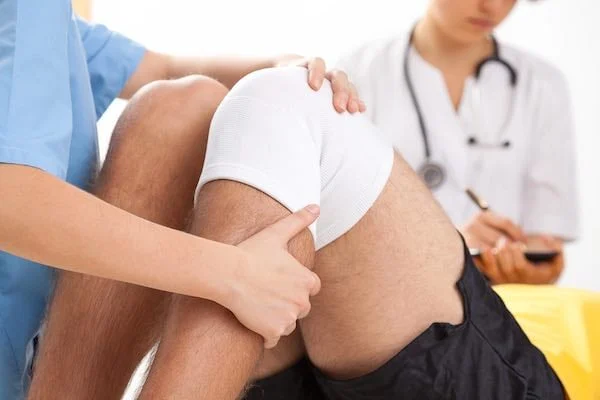
The menisci are shock-absorbing structures in the knee. Twisting the knee while bearing weight can cause a meniscal tear.
Symptoms may include:
* Knee pain
* Swelling
* Clicking or catching
* Difficulty squatting or bending the knee
* A feeling of the knee getting stuck
3. Muscle and Tendon Injuries
Muscle strains and tendon injuries can occur because of sudden force, overuse or inadequate conditioning.
Examples include hamstring strains, Achilles tendon injuries and rotator cuff problems.
4. Shoulder Injuries
Sports involving throwing, lifting or overhead movements can place considerable stress on the shoulder.
Common problems include:
* Rotator cuff injuries
* Shoulder dislocation
* Labral injuries
* Shoulder instability
* Tendinitis
5. Ankle Injuries
Ankle sprains are among the most common sports injuries. They commonly occur when the ankle twists or rolls unexpectedly.
Repeated ankle sprains can sometimes lead to chronic instability if not properly rehabilitated.
6. Overuse Injuries
Not all sports injuries happen suddenly. Repeated stress without adequate recovery can cause conditions such as:
* Tendinopathy
* Stress injuries
* Shin pain
* Runner’s knee
* Tennis elbow
Increasing training intensity too quickly can increase the risk of these injuries.
When Should You See an Orthopaedic Specialist?
You should consider medical evaluation if you have:
* Persistent or worsening pain
* Significant swelling
* Difficulty bearing weight
* Restricted joint movement
* Joint instability or repeated giving way
* Locking or catching of a joint
* A visible deformity
* Recurrent injuries
* Pain that does not improve with rest
Some injuries may initially appear mild but can worsen if you continue playing without appropriate treatment.
How Are Sports Injuries Diagnosed?
Diagnosis begins with a detailed history and physical examination.
Depending on the suspected injury, your doctor may recommend investigations such as:
* X-rays
* Ultrasound
* MRI
* CT scans in selected cases
The aim is to identify the exact structure involved and determine whether conservative treatment, rehabilitation or surgery is appropriate.
Treatment for Sports Injuries
Treatment depends on the type and severity of the injury.
Non-surgical treatment
Many sports injuries can be managed with:
* Activity modification
* Ice and appropriate pain relief
* Physiotherapy
* Strengthening and flexibility exercises
* Balance and movement training
* Gradual return-to-sport rehabilitation
When Is Surgery Required?
Certain injuries may require surgery, particularly when there is significant structural damage or persistent instability despite appropriate non-operative treatment.
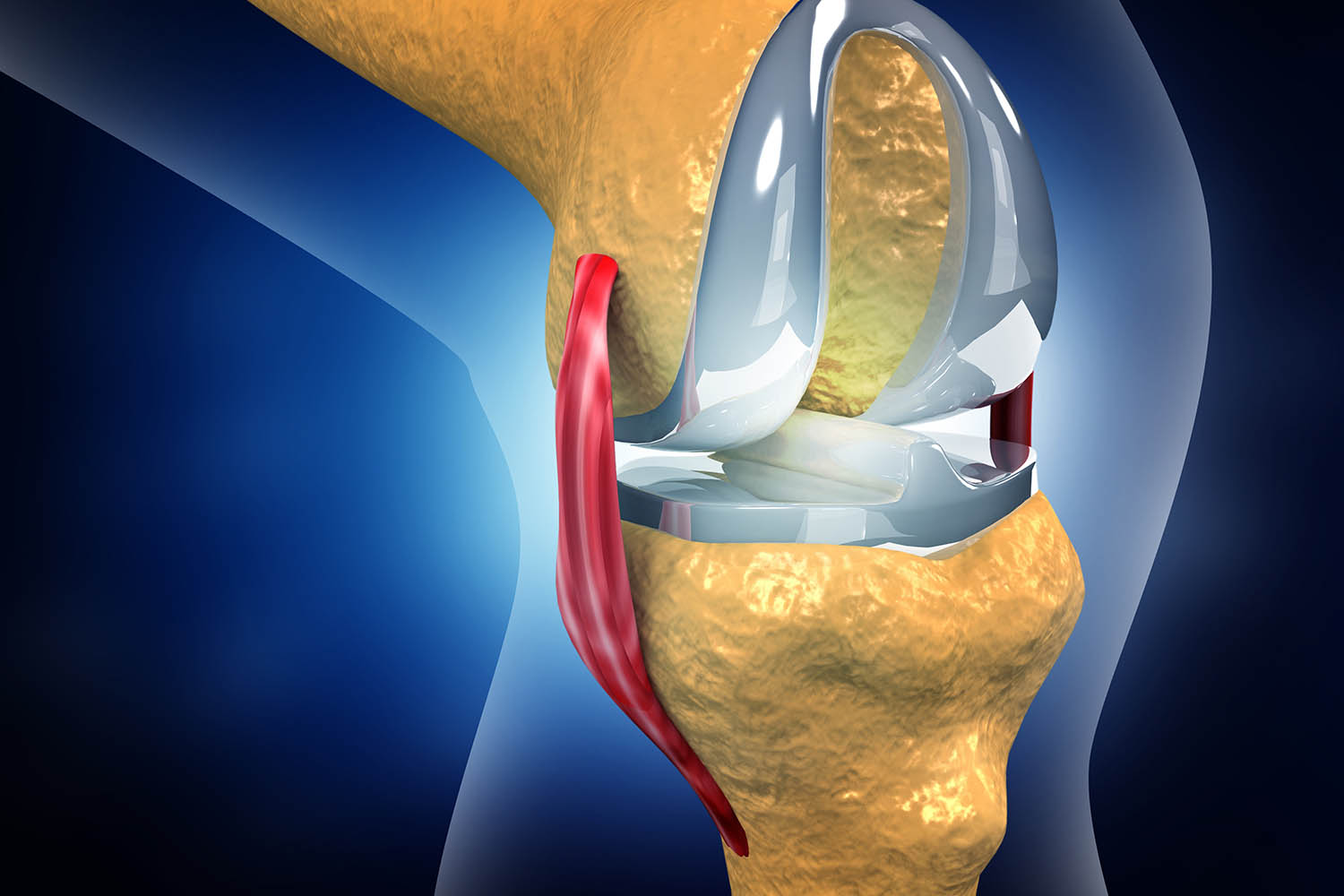
Depending on the injury, modern orthopaedic procedures may include arthroscopic ACL reconstruction, meniscal repair, rotator cuff repair, shoulder stabilisation and cartilage or joint-preservation procedures.
How Can Sports Injuries Be Prevented?
You can reduce your risk by:
* Warming up before exercise
* Increasing training intensity gradually
* Maintaining adequate muscle strength and flexibility
* Using appropriate footwear and protective equipment
* Learning correct sports techniques
* Allowing sufficient recovery between intense sessions
* Staying adequately hydrated
* Not playing through significant pain
* Returning to sport gradually after an injury
Returning to Sport After an Injury
Returning to sport should not be based only on whether the pain has disappeared.
Before returning to full activity, you may need to regain:
Strength + flexibility + balance + joint stability + sport-specific function
A structured rehabilitation programme can help reduce the risk of re-injury.
Take-Home Message
Sports injuries can happen to anyone, but early diagnosis, appropriate treatment and proper rehabilitation can make a significant difference in recovery.
Do not ignore persistent pain, swelling, instability or repeated injuries. Getting the right diagnosis early can help you return to your sport safely and protect your long-term joint health.
Stay active. Train smart. Recover properly. Return stronger.
Need an Evaluation?
If you have a sports-related injury involving the knee, shoulder, ankle, hip or other joints, consult an orthopaedic specialist for appropriate evaluation and treatment.