Knee Pain: When Should You See an Orthopaedic Specialist?
Knee Pain: When Should You See an Orthopaedic Specialist?
Knee pain is one of the most common reasons people visit an orthopaedic clinic. It can affect individuals of all ages—from young athletes with sports injuries to older adults with arthritis. While occasional discomfort after physical activity may improve with rest, persistent or severe knee pain should never be ignored.
Common Causes of Knee Pain
Several conditions can lead to knee pain, including:
* Osteoarthritis due to age-related wear and tear
* Ligament injuries such as ACL or PCL tears
* Meniscus (cartilage) injuries
* Tendon inflammation caused by overuse
* Rheumatoid arthritis and other inflammatory joint diseases
* Fractures around the knee
* Sports-related injuries
Warning Signs That Need Medical Attention
Consult an orthopaedic specialist if you experience:
* Knee pain lasting more than two weeks
* Swelling that does not improve
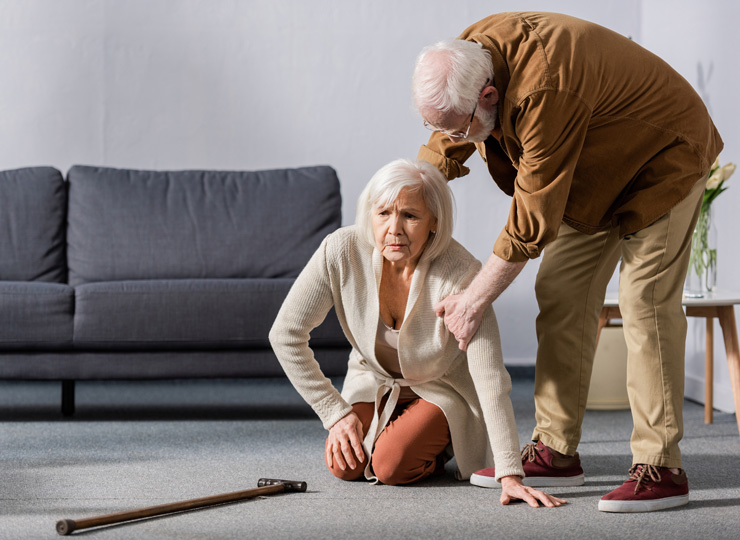
* Difficulty walking or climbing stairs
* Knee locking or giving way
* Reduced range of motion
* Persistent pain during rest or at night
* A recent injury followed by severe pain or deformity
Early diagnosis often prevents further joint damage and improves treatment outcomes.
How Is Knee Pain Diagnosed?
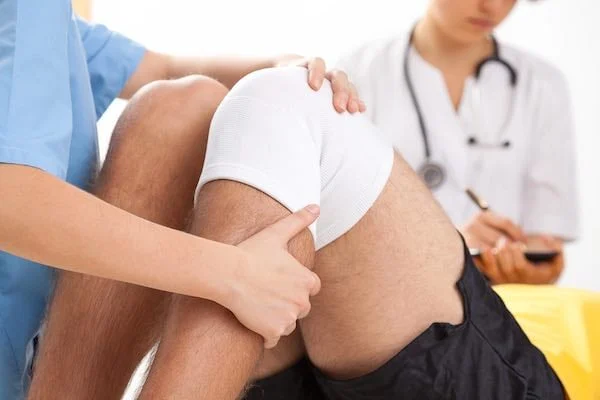
A detailed clinical examination is the first step. Depending on your symptoms, your doctor may recommend:
* Digital X-rays
* Blood investigations
* MRI scan (when required)
* Assessment of walking pattern and joint stability
Accurate diagnosis helps in planning the most effective treatment.
Treatment Options
Treatment depends on the underlying cause and may include:
* Lifestyle modification and weight management
* Physiotherapy and muscle strengthening exercises
* Pain-relieving medications
* Knee braces when indicated
* Joint injections for selected patients
* Arthroscopic (keyhole) surgery for ligament or cartilage injuries
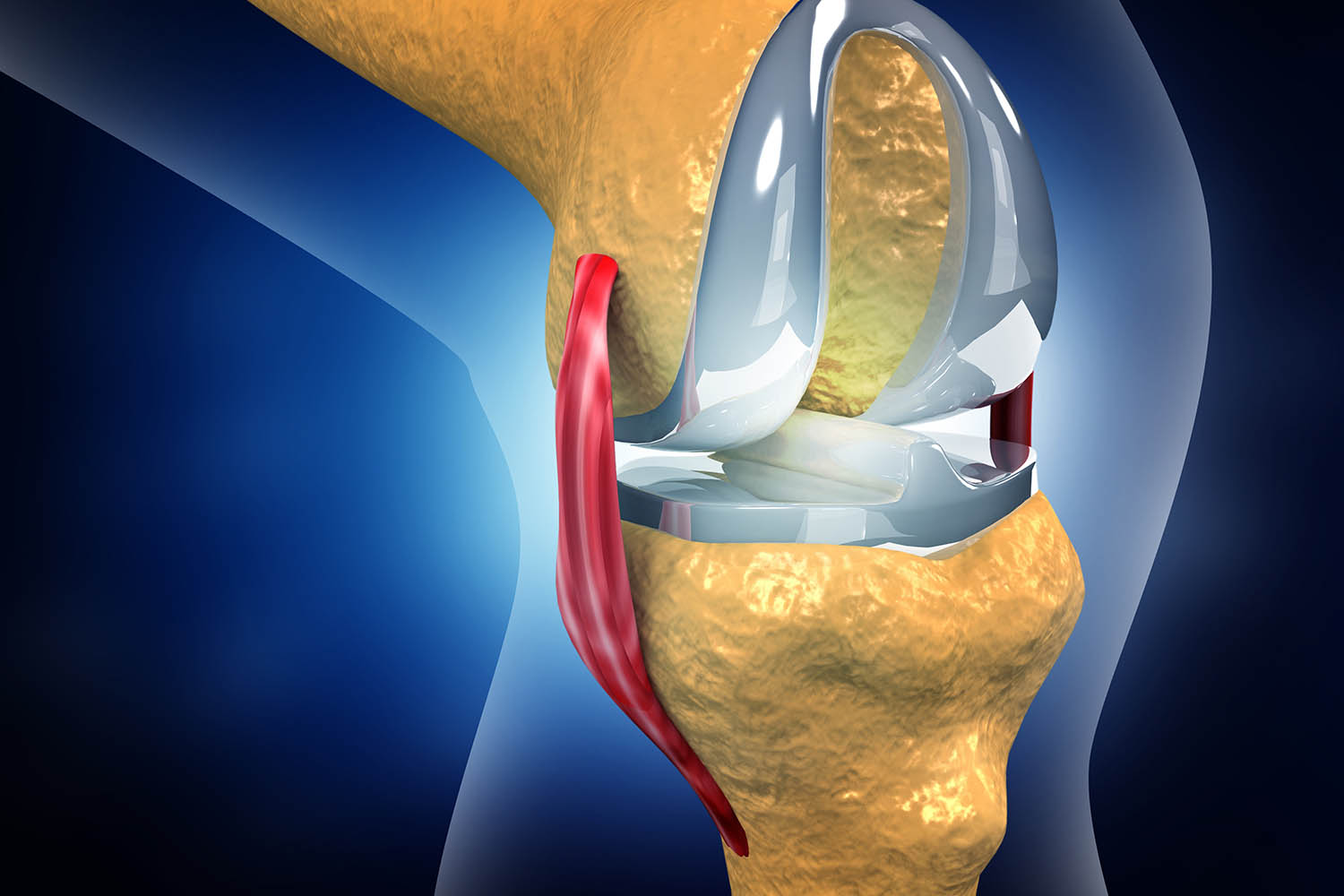
* Partial or Total Knee Replacement for advanced arthritis
Modern surgical techniques and enhanced rehabilitation have significantly improved recovery and patient satisfaction.
Tips to Keep Your Knees Healthy
* Maintain a healthy body weight.
* Exercise regularly to strengthen the thigh and leg muscles.
* Wear appropriate footwear.
* Avoid prolonged squatting when possible.
* Warm up before sports or exercise.
* Treat minor injuries promptly.
* Do not ignore persistent knee pain.
“Knee pain is not a normal part of ageing that you simply have to live with. Timely evaluation and appropriate treatment can help you remain active, independent, and pain-free. Whether your symptoms are due to arthritis, a sports injury, or another condition, early consultation with an orthopaedic specialist can make a significant difference in your recovery and long-term joint health.”
At ORTHOELITE Multispeciality & Diagnostic Centre, Bengaluru, we are committed to providing comprehensive orthopaedic care—from accurate diagnosis to advanced treatment and rehabilitation—helping our patients return to an active, healthy lifestyle.
This fellowship provided me with substantial exposure to a variety of advanced arthroscopic and open procedures. I gained experience in shoulder arthroscopy, including rotator cuff repairs, Bankart repairs, SLAP repairs, and open procedures such as total and reverse shoulder arthroplasty.
My training extended to hip arthroscopy, including labral repair, acetabuloplasty, femoroplasty for femoroacetabular impingement, and iliopsoas bursitis. In knee arthroscopy, I participated in primary and revision ACL reconstructions, meniscal repairs (including root tear repairs), and osteochondral procedures.
I also assisted with ankle arthroscopy, performing microfracture for osteochondritis dissecans (OCD), cartilage debridement in cases requiring ankle fusion, removal of loose bodies, arthroscopic assessments for ankle trauma, and debridement for osteoarthritis of the ankle joint. Open procedures included the modified Broström procedure for ATFL tears and other ankle conditions.
During my fellowship, I prepared a research manuscript on pin-related complications in robotic-assisted total knee arthroplasty. I also attended the Mako Summit 2023 in Seoul, which provided valuable insights into Mako Robotic System techniques, including preoperative planning, intraoperative gap balancing, and discussions of complex knee and hip osteoarthritis cases managed using the Mako system.
Overall, this fellowship significantly broadened my professional network and deepened my understanding of robotic-assisted joint arthroplasty and arthroscopy across the hip, knee, shoulder, and ankle. It greatly enhanced my confidence, clinical decision-making, and surgical skills, enabling me to provide high-quality patient care as a clinician.