
Falls in Elderly Patients: Prevention, Warning Signs & When to Seek Medical Help
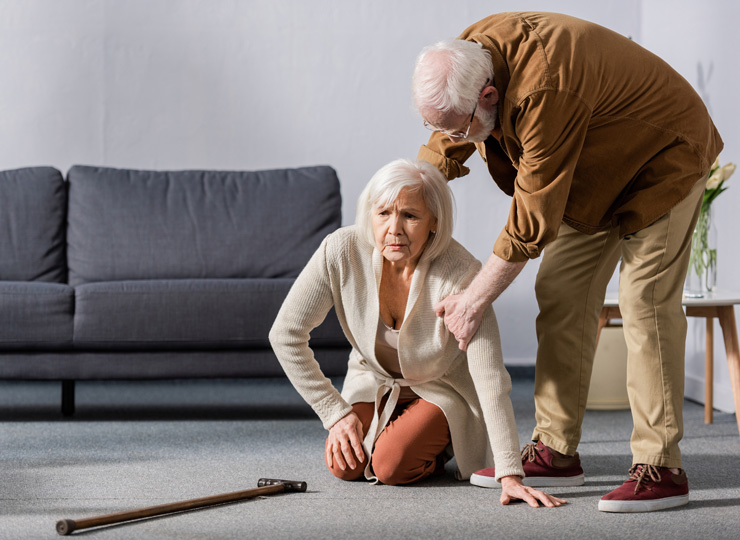
Falls are one of the most common health concerns among older adults. A fall may appear minor at first, but in elderly patients it can sometimes result in fractures, head injuries, loss of independence, or prolonged difficulty walking.
The good news is that many falls can be prevented by identifying risk factors early and making simple changes at home and in daily activities.
Why Are Elderly People More Prone to Falls?
Several factors can increase the risk of falling with age:
* Reduced muscle strength and balance
* Poor vision or hearing
* Arthritis and joint stiffness
* Difficulty walking or changes in gait
* Dizziness or low blood pressure
* Certain medications
* Neurological conditions
* Vitamin D deficiency and osteoporosis
* Improper footwear
* Slippery floors, loose carpets or poor lighting
Often, more than one of these factors contributes to a fall.
What Injuries Can Occur After a Fall?
Falls can cause injuries ranging from minor bruises to serious fractures.
Common injuries include:
* Hip fractures
* Wrist and forearm fractures
* Shoulder injuries
* Vertebral fractures
* Head injuries
* Soft-tissue injuries
A hip fracture in an elderly person can significantly affect mobility and independence and may require surgery followed by rehabilitation.
Warning Signs After a Fall
Medical evaluation is particularly important if an elderly person develops:
* Severe pain in the hip, back, shoulder or wrist
* Inability to stand or walk normally
* Swelling or deformity of a limb
* Loss of consciousness
* Persistent headache or vomiting
* Confusion, unusual drowsiness or behavioral changes
* Weakness, difficulty speaking or imbalance
* Blood-thinning medication use after a significant head impact
Do not force an elderly person to walk if a fracture or serious injury is suspected.
How Can Falls Be Prevented?
Small changes can make a significant difference.
At Home
* Keep floors and walkways free of clutter.
* Remove loose rugs or secure them properly.
* Ensure adequate lighting, especially at night.
* Install grab bars in bathrooms.
* Use non-slip mats in wet areas.
* Keep frequently used items within easy reach.
* Consider handrails on stairs.
For the Individual
* Wear comfortable, well-fitting footwear with good grip.
* Exercise regularly to maintain muscle strength and balance.
* Have vision and hearing checked periodically.
* Review medications with a doctor if dizziness or drowsiness occurs.
* Use walking aids when recommended by a healthcare professional.
* Address osteoporosis and bone health when appropriate.
What If an Elderly Person Falls Repeatedly?
Repeated falls should not be considered a normal part of ageing.
A medical assessment can help identify the underlying cause. Depending on the situation, evaluation may include assessment of gait and balance, vision, medications, muscle strength, bone health, neurological function and cardiovascular factors.
Preventing another fall is just as important as treating the injury caused by the first one.
When Should You Seek Immediate Medical Attention?
Seek urgent medical care after a fall if there is:
Severe pain • Suspected fracture • Inability to bear weight • Head injury with concerning symptoms • Loss of consciousness • New confusion • Weakness or difficulty speaking • Significant bleeding
Early assessment can help diagnose injuries and prevent complications.
Take-Home Message
Falls in older adults are common, but they are not an inevitable part of ageing. Identifying risk factors, improving the home environment, maintaining strength and balance, and addressing medical conditions can substantially reduce the risk.
If an elderly family member has suffered a fall, has difficulty walking, or has experienced repeated falls, early medical evaluation is recommended—even when the injury initially appears minor.
Protect mobility. Protect independence. Prevent falls.



2 Responses